

Kettlebell Training: Form Basics for Beginners
Master the swing, goblet squat, and Turkish getup with step-by-step cues. We cover common mistakes and how to build confidence with kettlebells.
Read ArticleMonthly challenge sessions that bring the community together. Every version is scalable — you compete against yourself, not others.

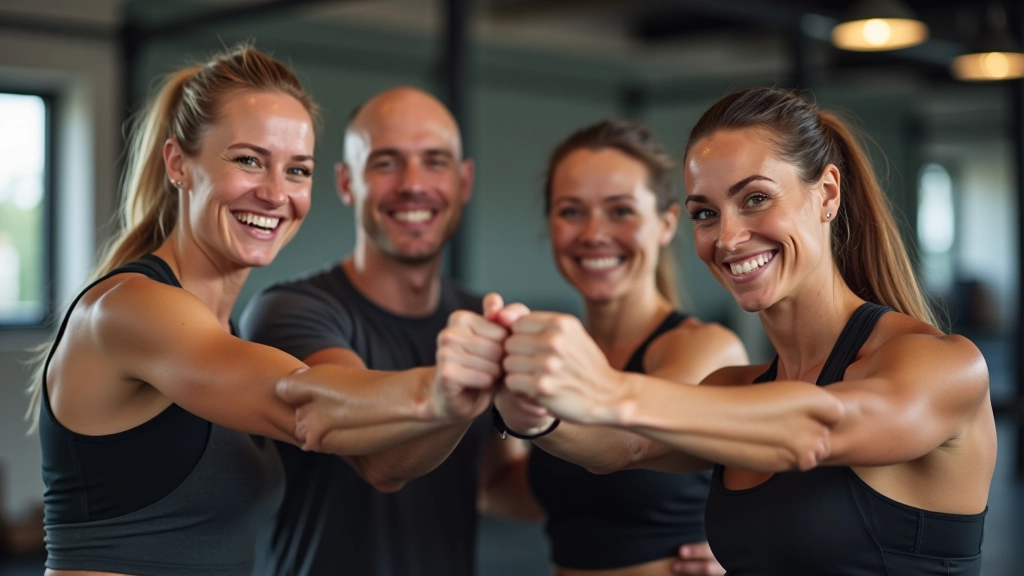
We host monthly WOD challenges that aren't about beating your neighbors or proving something to the group. They're about testing yourself in a supportive environment where scaling is built in from the start.
The thing is, most people think "competition" means winners and losers. Here, everyone who shows up and gives effort gets to win. You're competing against yesterday's version of yourself, tracking your own progress, and celebrating with others doing the same thing.
We announce each month's challenge two weeks ahead. That gives you time to think about it, ask questions, and plan your approach without pressure. The WOD typically takes 15-20 minutes of actual work, though warm-up and cool-down bring the whole session to about 45 minutes.
Each movement comes with three options. You might see "30 pull-ups" as the rx'd version, but you've also got "assisted band pull-ups" or "inverted rows" available. Same challenge, different paths. Most people pick the version that feels right for where they are that day — which is honest training, not gaming the system.
After everyone finishes, we gather around. Some people hit faster times, some discovered they're stronger than they thought, and everyone gets genuine recognition. No podium. No announcing who was fastest. Just "hey, you showed up and worked hard."
Here's what we've noticed. When people train alone, they make excuses. They skip workouts. But when they know 20 other people are showing up on Saturday morning for the challenge, they show up too. It's not about shame or obligation — it's about being part of something.
The group energy matters. You'll see someone struggling through round three, and three other people are quietly cheering. Not yelling or making a big deal — just genuine encouragement. That's the pressure we want. The kind that pushes you forward, not the kind that keeps you home.
We've had people in their 50s discover they can move faster than they did at 30. We've had people join for the first time, terrified, and leave saying "I can't believe I just did that." Those moments compound. After four or five challenges, you're not the same person who walked in.

The term "scaling" gets misunderstood. People think it means "easier" or "for people who can't do the real version." Wrong. Scaling is training smart. It's choosing the challenge level that matches where you are right now.
Say the challenge is "50 wall balls, 40 box jumps, 30 kettlebell swings." The scaling options might be: wall balls at 14 pounds or 10 pounds, box height at 20 inches or 16 inches, kettlebell at 35 pounds or 25 pounds. You're not doing less work — you're doing appropriately-challenging work. Big difference.
We've coached enough 50-year-olds to know that ego gets in the way of progress. The person who picks the lighter weight, moves well, completes the challenge, and feels strong — that's who progresses fastest. They'll be ready for the heavier weight next month.
After each challenge, you'll write down your time, the weights you used, and how you felt. Not to compare against others — to compare against yourself next month.
Most people see improvement within three months. Not massive jumps, but real ones. You might complete the same WOD 90 seconds faster, or use 5 pounds heavier, or do all reps unbroken instead of breaking sets. Those are wins that matter because you're the only one who knows the effort behind them.
The group sees your progress too, but differently. They see you moving with better form. They see you breathing easier. They see you smiling instead of grimacing. Those observations stick with people longer than any time on a board.

Monthly challenges aren't about bragging rights or leaderboards. They're about creating structured opportunities to test yourself in an environment where scaling, effort, and community all matter equally. You'll show up, you'll move well, you'll finish, and you'll feel genuinely strong.
The pressure isn't about winning. It's about proving to yourself that you can do hard things with people who get it. And that's worth showing up for.
Our next monthly challenge is coming up soon. Whether you've never done a WOD or you're returning, there's a version scaled for you.
Explore All ProgramsThe information in this article is educational and informational only. It's not a substitute for professional medical advice, diagnosis, or treatment. Before starting any new fitness program, including group WOD challenges, consult with a healthcare provider or certified fitness professional, especially if you have pre-existing conditions or injuries. Every person's fitness level and needs are different — scaling options exist because individual circumstances vary widely. The experiences and timelines described here are examples and may not reflect your personal results.
Master the swing, goblet squat, and Turkish getup with step-by-step cues. We cover common mistakes and how to build confidence with kettlebells.
Read Article
Nervous about your first class? We walk through a typical session, explain how scaling works, and answer the questions everyone's too shy to ask.
Read Article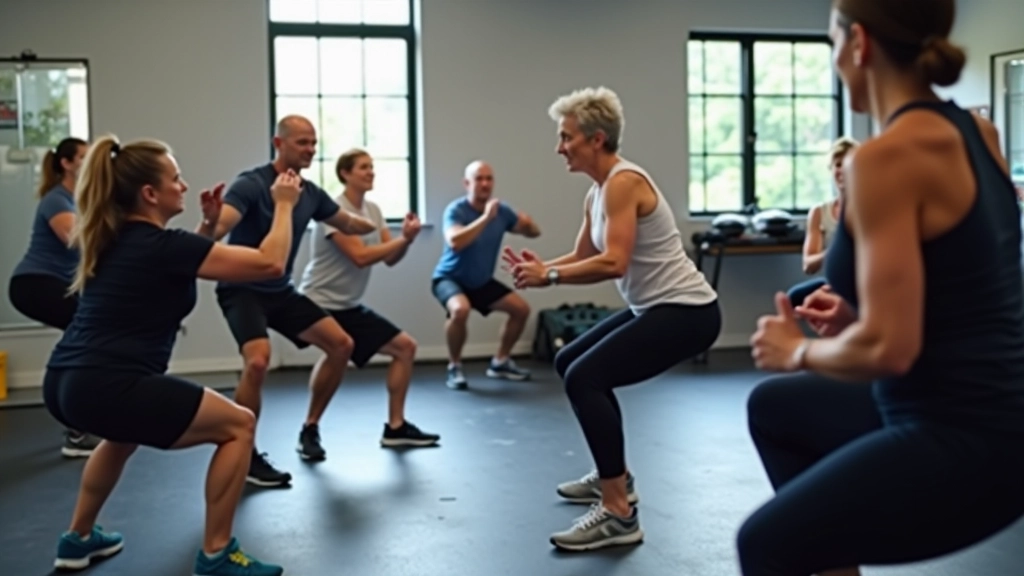
These beginner-focused sessions cover squats, hinges, carries, and pressing patterns. Learn the fundamentals that make every other workout better.
Read Article