Kettlebell Training: Form Basics for Beginners
Master the swing, goblet squat, and Turkish getup with step-by-step cues. We cover the most common form mistakes and how to fix them.

Why Form Matters More Than You Think
You'll see kettlebells at every functional training facility these days. They're versatile, compact, and honestly pretty intimidating if you've never used one. But here's the thing — they're also incredibly effective when you're doing them right.
Bad form doesn't just mean you're not getting results. It means you're setting yourself up for injury. Your lower back, shoulders, and wrists take the hit when your technique falls apart. We've watched too many people quit kettlebell training because they got hurt, not because the training was hard.
The good news? The fundamentals aren't complicated. You don't need to be flexible or strong to start. You just need to understand the basic movement patterns and practice them consistently.

The Three Essential Movements
Most kettlebell training comes down to three core movements. Master these, and you've got the foundation for everything else. Let's break down each one.
01. The Kettlebell Swing
The swing is where most people start. It looks simple — bell goes back, then forward. But the mechanics matter. Your power comes from your hips, not your arms. Think of it like snapping your hips forward, similar to jumping. Your arms are just along for the ride. The bell should float up naturally from the hip snap, reaching about chest height at the top. That's it. No higher.
Common mistake? Squatting the swing. Your knees should bend slightly, but this is a hip hinge movement, not a squat. Feel the difference — you're bending from the hips, not dropping into your legs.
02. The Goblet Squat
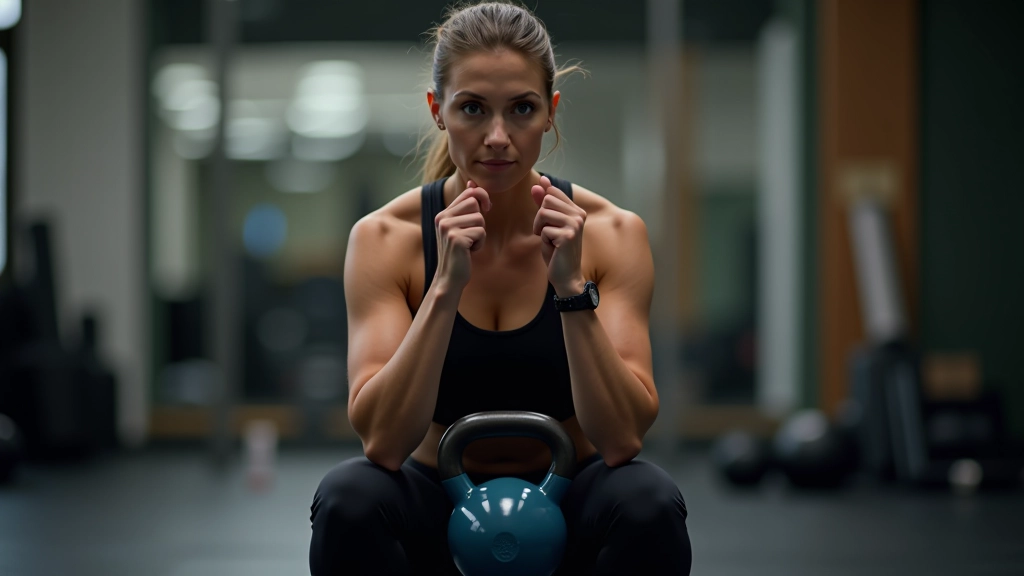
Hold the kettlebell at chest height, bell up, with both hands cupping it. Now squat down. Your elbows should track inside your knees, and you're aiming for depth — getting your hips below your knees if you can. This movement teaches you how to squat properly without heavy load. It's brilliant for learning good positioning.
The goblet squat fixes a lot of problems people have with squats. Your chest stays up naturally because of how you're holding the weight. Your knees track over your toes. Your back stays neutral. It's actually the perfect teaching tool.
03. The Turkish Getup
This one looks complicated because it is. But it's also one of the best shoulder stability exercises you can do. You're lying on your back holding the kettlebell straight up with one arm. Then you stand up while keeping that arm locked and the bell overhead. Sounds weird? It is. But it works.
You'll move through several positions — from lying down to a high sit, then to a lunge position, then standing. Each transition matters. Your eyes stay on the bell the whole time. This movement takes patience to learn, but it's worth it.
Getting the Swing Right
The swing is the foundation. Get this wrong and you're carrying bad habits into everything else. Let's walk through exactly what should happen.
Starting Position
Feet shoulder-width apart. The bell sits on the ground slightly in front of you. Your shoulders are packed — pulled back and down. Your core is braced like someone's about to punch you.
The Hinge
Bend from your hips, not your knees. Your shins stay mostly vertical. You're reaching for the handle with a slight knee bend, keeping your chest up. Your weight is in your heels.
The Snap
This is everything. Explosively extend your hips. Think of jumping without leaving the ground. Your legs drive hard. The bell accelerates forward from the momentum of your hips. Your arms stay relaxed — seriously, they shouldn't be working.
The Float
Let the bell float up naturally. It should reach about chest height. Your grip is relaxed. You're not muscling it. At the top, you're standing tall with glutes squeezed. Then you reverse the movement, letting the bell swing back down naturally.

Common Form Mistakes and Fixes
We've seen these mistakes hundreds of times. The good news is they're fixable.
Squatting Instead of Hinging
Your knees bend too much. Your hips don't extend powerfully. The bell doesn't float up naturally — you're muscling it with your arms.
The Fix: Practice hip hinges without a bell. Stand up, bend from your hips with straight legs, let your hands slide down your thighs. Feel where the movement comes from. Then add the bell.
Shrugging at the Top
Your shoulders come up toward your ears at the top of the swing. This creates tension in your neck and shoulders that shouldn't be there.
The Fix: Keep your shoulders packed. At the top of the swing, squeeze your glutes hard and stand tall. Your shoulders stay down and back. The bell is just hanging from relaxed arms.
Overextending the Bell
The bell swings higher than chest height. You're using momentum and arm strength to force it up.
The Fix: The bell height is determined by hip extension power, not arm effort. A proper hip snap creates the right height naturally. If it's going too high, your hips aren't the power source — your arms are.
Lower Back Rounding
Your spine flexes forward during the hinge. This is how people hurt their backs with kettlebells.
The Fix: Keep your chest up and core braced throughout. Before you even pick up the bell, practice the hinge position. Your lower back stays neutral — maintain its natural curve.
Building Your Practice Routine
You don't need to train kettlebells every day. Three sessions per week is solid for beginners. Start light — really light. A 16 kg (35 lb) bell is perfect for learning. You want to focus on form, not crushing yourself with weight.
Your first few sessions should be 15-20 minutes max. Do 5-10 swings at a time, rest, then repeat. Once swings feel solid, add goblet squats. Then eventually work toward the Turkish getup. Don't rush it. Most people benefit from spending 2-3 weeks just on swings before adding other movements.
You'll know you're ready to progress when the movement feels automatic. You're not thinking about each position anymore. The weight feels lighter. That's when you can either do more reps, longer sets, or move to a slightly heavier bell.
Start Simple, Build Consistency
Kettlebell training gets a reputation for being complicated. But it's really not. You've got three main movements. Each one has clear positioning cues. The only thing between you and solid form is practice.
Here's what we've learned: people who spend the first month nailing the basics end up loving kettlebells. They're versatile, they build real strength, and honestly, they're more fun than most equipment once you know what you're doing.
Pick a light bell. Film yourself. Compare your movement to what we've covered here. Fix the issues one at a time. Don't try to perfect everything in one session. Come back consistently, and you'll be amazed at how much your body adapts.
Ready to train? Join us for a beginner kettlebell workshop or try a scaled class. We'll guide you through the movements step by step.
Get Started
Disclaimer
This article is educational and informational in nature. The techniques and movements described are general guidelines. Before starting any new exercise program, especially if you have existing health conditions, injuries, or concerns, consult with a healthcare provider or certified fitness professional. Everyone's body is different, and what works for one person may not work for another. Proper instruction from a qualified trainer is always recommended when learning new movements.
Related Articles