
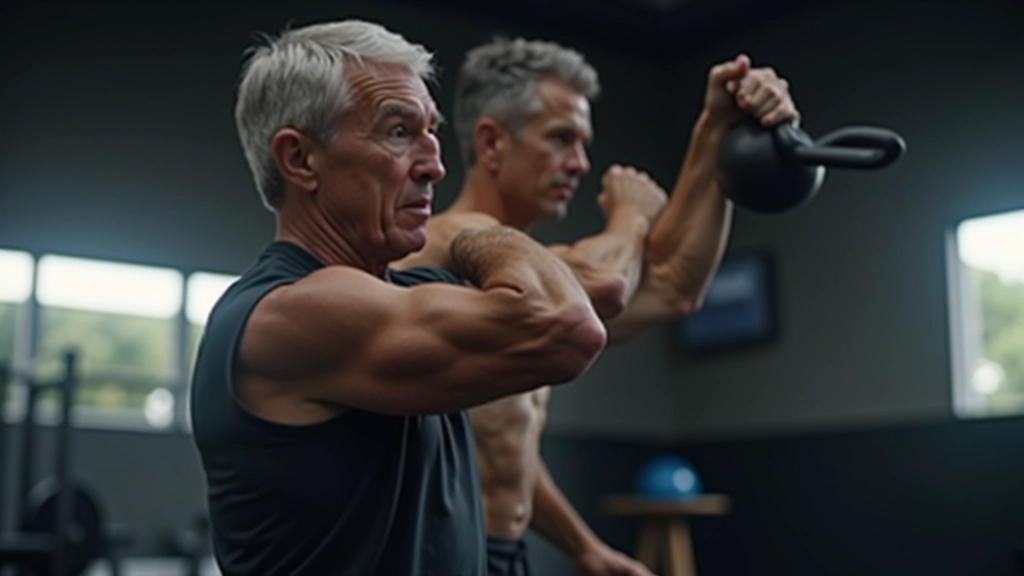
Kettlebell Training: Form Basics for Beginners
Master the swing, goblet squat, and Turkish getup with step-by-step cues. We cover common mistakes and how to build solid fundamentals.
Read More →Nervous about your first class? We walk through a typical session, explain how scaling works, and show you what the community is really like.

Walking into a CrossFit gym for the first time? Yeah, it can feel intimidating. You'll see people doing things that look impossible — muscle-ups on rings, heavy barbells overhead, intense movements happening all around you. But here's the real deal: scaled classes aren't for show. They're designed for people like you who're starting out, and the community you'll meet is genuinely supportive.
What happens on day one sets the tone for everything that follows. We're going to walk you through exactly what to expect — from the moment you walk in until you leave, and why it doesn't matter if you can't do everything yet.
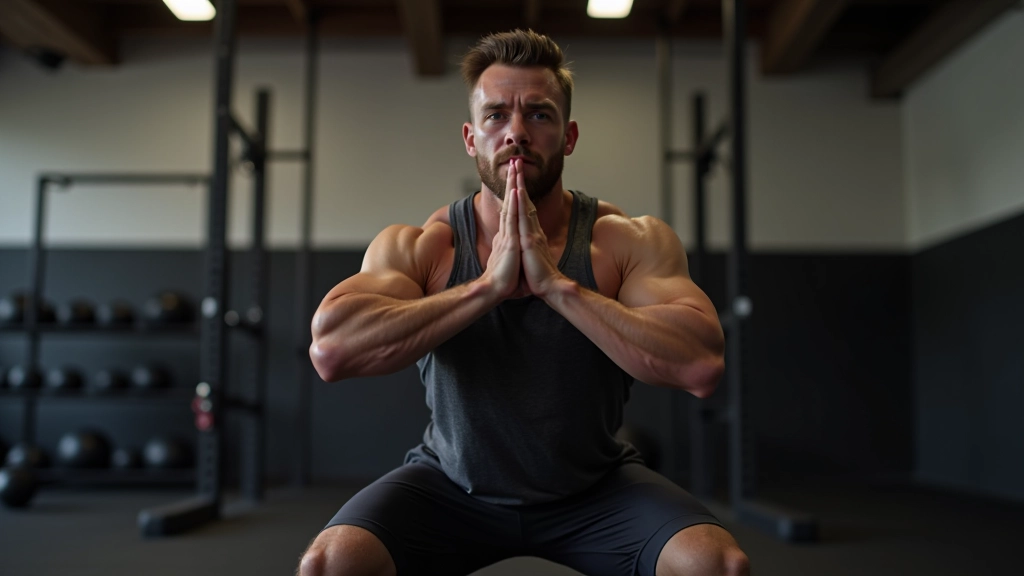
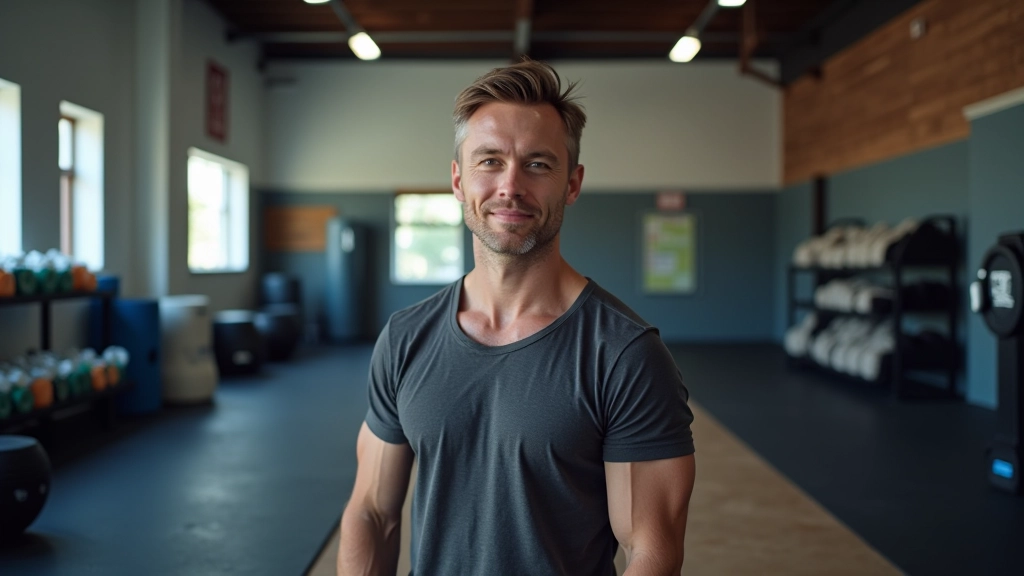
The gym's probably going to look different than you expected. You'll see barbells, pull-up bars, kettlebells, rowing machines, and maybe some things you don't recognize. That's normal. What matters is that a coach will spot you within the first minute — they're watching for newcomers. They'll introduce themselves, ask about any injuries or limitations, and get you oriented.
Most scaled classes run 60 minutes. You'll arrive about 10 minutes early. The coach will show you the locker room, the bathrooms, and point out where the scaled modifications happen. Don't be shy about telling them you're new. Everyone remembers their first day.
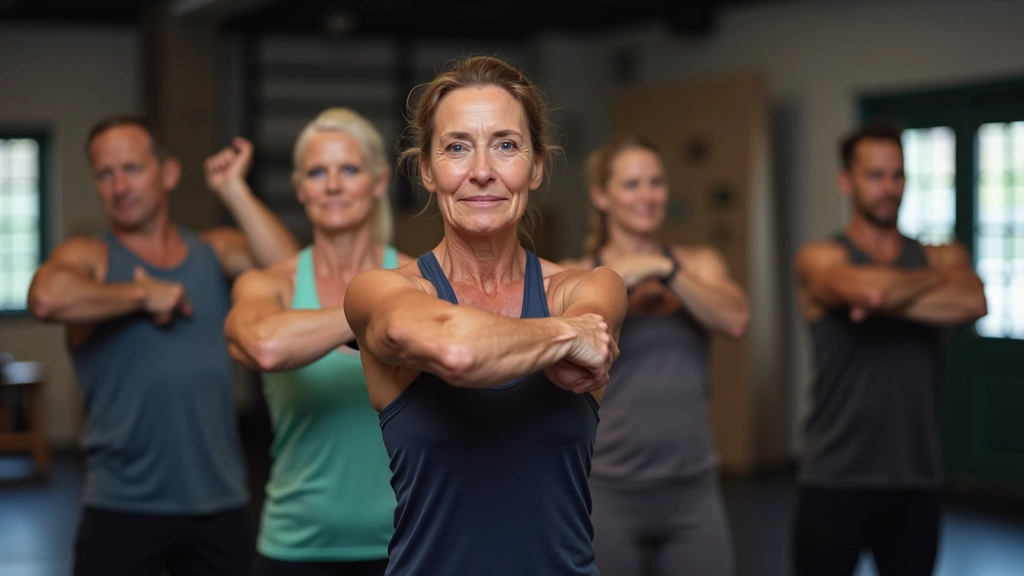
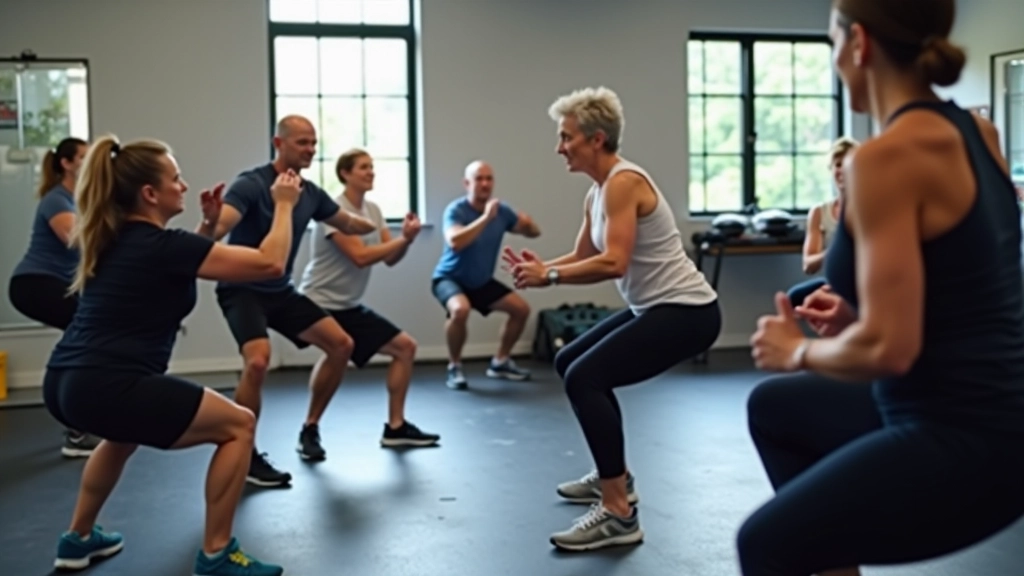
Class starts with a warm-up. This isn't sitting on a bench stretching — it's movement prep. You'll do things like arm circles, leg swings, bodyweight squats, and walking lunges. The coach is watching how you move, checking your range of motion, and getting a sense of what might need scaling.
Don't worry about keeping up perfectly. If something hurts (actual pain, not just discomfort), tell the coach immediately. That's what they're there for. Most people find the warm-up actually feels good — you're getting loose and your heart rate's coming up naturally.
Here's something important: everyone in the class does the same warm-up. No variations yet. It's a great equalizer — you're all doing the same thing, and you'll see that people of all fitness levels are starting from the same place.
After warm-up, you'll learn the movements for that day's workout. Let's say it's "thrusters" (a squat plus a pressing movement). The coach will demonstrate the full version, then immediately show you the scaled versions. This is where it gets good — there's usually 3-4 options for every movement.
Scaling doesn't mean doing "easy" movements. It means doing the same movement with less load, less range of motion, or a simpler variation. A thruster might be scaled from a barbell to a dumbbell, or from full depth to a partial squat. You're still working the same muscles, just in a way that matches your current fitness level.
Real example: A barbell thruster (95 lbs) → dumbbell thruster (20 lbs each hand) → kettlebell thruster (1 kettlebell) → bodyweight thruster. You're choosing what works for you today.
You'll get a chance to practice with light weight before the actual workout starts. The coach walks around, corrects form, and makes sure you're comfortable. Ask questions. This is exactly when they expect you to speak up.
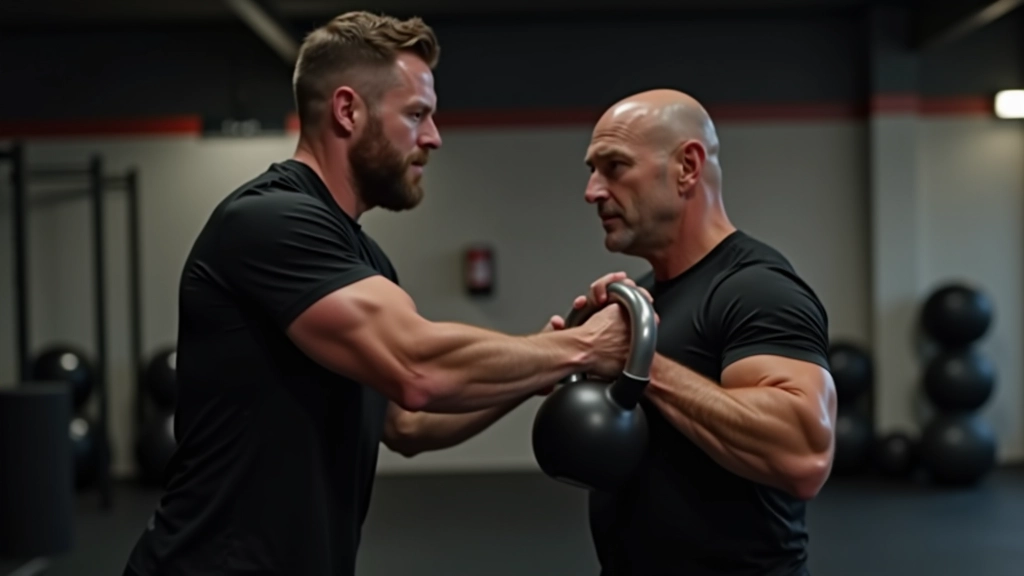

Now you actually do the workout. It's timed — maybe it's "15 minutes for max reps" or "complete 5 rounds for time." You're not competing against anyone else. You're competing against yourself. The person next to you might be doing a heavier load, different scaling, or going faster. That's fine. It literally doesn't matter.
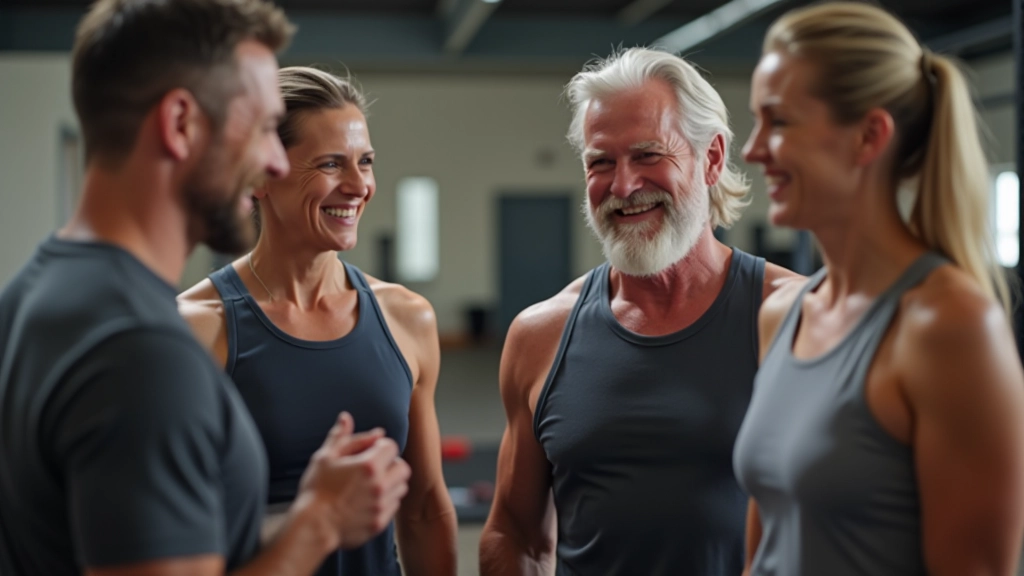
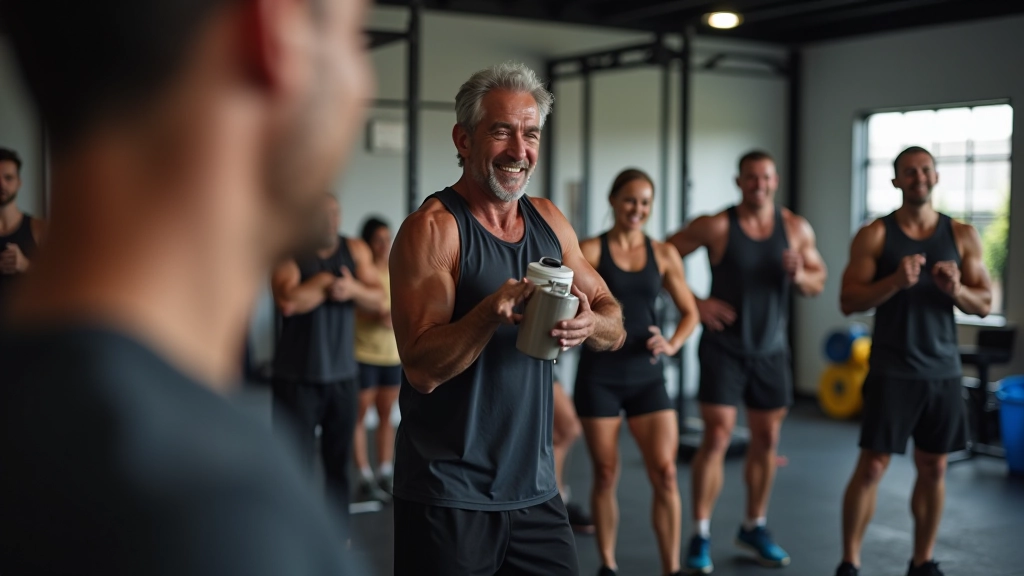
What matters is you're working at YOUR intensity. And here's what surprises most beginners: the community vibe is real. People are genuinely cheering for each other. You'll hear "nice round" and "let's go" coming from people who barely know each other. It's not fake — it's just how these gyms operate.
You might feel like you're slow. You probably will be. That's completely normal. You're learning the movement, building fitness, and figuring out what intensity feels right for you. The person who finished in 10 minutes didn't start there either — they've been doing this for months or years.
After the workout, you'll cool down with some stretching. This is when people talk. Someone will ask you how you're feeling. A coach will ask what was hard about it. You might grab water with whoever's standing near you.
Here's what makes scaled CrossFit different from a regular gym: everyone's in the same boat. You've got 50-year-olds starting out, 65-year-olds who've been doing this for three years, people recovering from injuries, people who just want to get stronger. There's no ego in a scaled class because everyone understands that fitness is a long game.
"Wasn't sure about it honestly. Thought I'd be the slowest one there. But everyone was actually rooting for each other, and the coaches spent time making sure I had the movement down. Came back the next week."
Your heart rate goes up. You'll sweat. Your legs might burn during the workout. That's the point. You're working. It's not supposed to feel easy on day one, but it shouldn't feel impossible either.
You'll probably be sore tomorrow. Not injured-sore, just muscle-sore. It's called DOMS (delayed onset muscle soreness) and it means your muscles worked. It'll get better each week as your body adapts.
Most people don't realize until day two that they actually enjoyed it. The endorphins kick in, you feel stronger, and there's something addictive about the community aspect. You'll probably want to schedule your next class before you leave.
Don't underestimate the mental part. You're focused, you're working hard, you're around people who're doing the same. For 60 minutes you're not thinking about email or stress. That matters.
You don't need special gear. Wear clothes you can move in — shorts and a t-shirt is fine. Bring water (or they'll have some available). Wear shoes with good ankle support (Converse or running shoes work). Leave your phone in your locker unless you need it for music.
Eat something 1-2 hours before class. Not a huge meal, just something that sits well. A banana, some toast with peanut butter, or a light snack. You don't want to be hungry, and you don't want to feel bloated either.
Tell the coach everything. If you have a shoulder injury, tell them. If you're recovering from surgery, tell them. If you're just nervous, tell them that too. They've worked with all of it. There's no judgment — just modifications so you can participate safely.
Come a few minutes early. Don't sprint in right at class time. You want time to settle, get oriented, and ask any last-minute questions. Most scaled classes have 15-20 people, so it's not overwhelming.
Scaled CrossFit classes exist because fitness doesn't have an age limit. Your body can get stronger at 45, 55, 65, or 75. It won't look the same as a 25-year-old's progression, and it doesn't need to. You're building strength, endurance, and confidence on your own timeline.
The scaling isn't a compromise. It's the smart way to train. Knowing your limits and training appropriately is what allows you to come back consistently. Missing classes because you overdid it on day one? That's not dedication, that's just poor planning. Scaling lets you work hard AND recover well.
Most people who stick with it say the same thing: it's not about the workouts. It's about showing up. It's about being part of a group that gets it. It's about proving to yourself that you can still do hard things. Day one is just the beginning.
Your first class is just a conversation away. Most gyms offer a free intro session where you can meet the coaches, see the space, and ask questions before committing. There's nothing to lose and everything to discover.
Explore More Resources
This article provides educational information about what to expect in a scaled CrossFit class. It's not a substitute for professional fitness instruction or medical advice. Before starting any new exercise program, especially if you have pre-existing health conditions, injuries, or are recovering from surgery, consult with your healthcare provider or a qualified fitness professional. The coaches at your gym will work with you to modify movements safely, but your health comes first. Listen to your body, communicate openly with instructors, and progress at your own pace.